
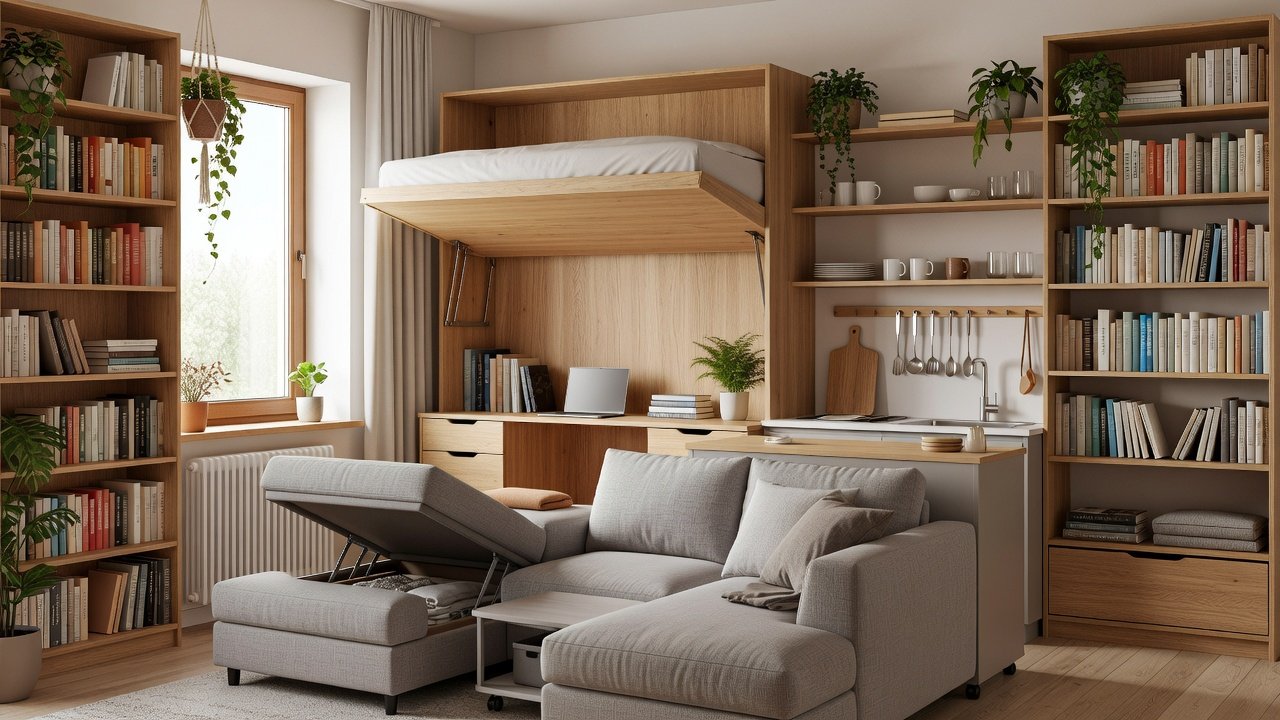
Living in a small house for a small family can be more convenient and comfortable than in a large house if the small home is set up in an organized manner. Best storage solutions for small homes Some people often choose the right furniture and use their creativity to choose the right space, which most people ignore. Even one square meter makes a clear difference in the setting of the house, while doing other necessary things in a better and better way saves you from many other problems.
Many homeowners struggle with clutter not because they own too many things, but because their homes lack smart storage strategies. Over time, everyday items pile up and make rooms feel smaller than they actually are. The good news is that small homes can feel spacious and organized with a few thoughtful adjustments.
Just a short while ago, I had an experience. I visited a close friend’s compact apartment in Toronto. My first visit was amazing. When I saw that his house looked really small, but after a while, I realized how creatively he had managed his small apartment. He had kept everything in proper size and shape, and had arranged everything in a very organized and calculated manner. The furniture in his apartment, the shelves on the walls of the apartment and the cabinets installed in the walls, were arranged in such a way that they looked very appropriate. They were arranged with very good measurements and the beauty of the apartment was enhanced by the cleanliness. My visit proved me wrong that storage is not possible in small houses.
Let’s explore practical ways to make the most of limited space while keeping your home functional and comfortable.
Use Vertical Space Effectively
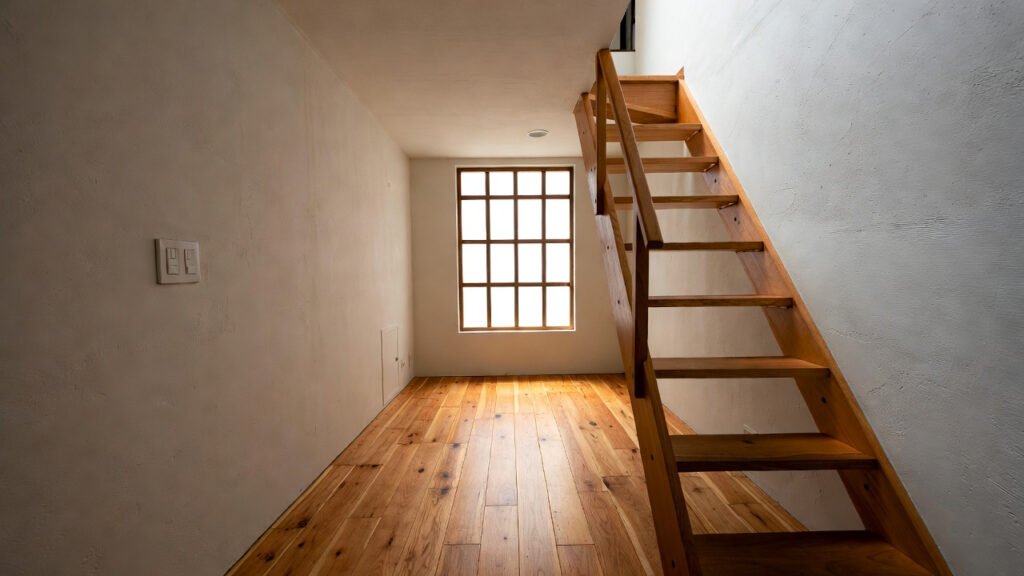
The most overlooked storage space in small homes is the wall. Yes, most people don’t consider the wall, but rather rely more on the floor, and thus miss out on a good and creative setting..
Installing shelves higher on walls allows you to store items such as books, decorative pieces, and storage baskets without taking up valuable floor space. Tall shelving units can also help create a sense of height in a room, making it feel more open.
In kitchens, vertical storage can include wall-mounted spice racks, hanging pot organizers, or narrow cabinets that extend toward the ceiling. These solutions help keep frequently used items accessible while maintaining a clean layout.
Vertical storage is particularly useful in apartments and small houses where expanding outward simply isn’t an option.
Choose Multi-Purpose Furniture
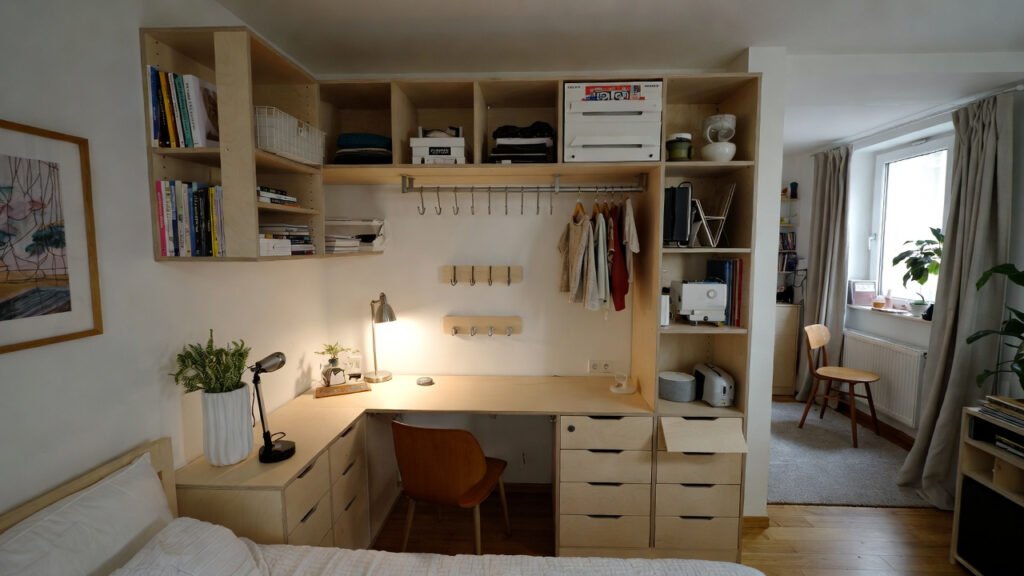
When your home has less space and more stuff, your furniture plays a very important role. When you choose different places to store different things, things get cluttered. The best solution to this is that when you choose furniture, choose furniture that is multipurpose and has the option to store more than one thing. Doing so will give you the opportunity to store more things in less space and the room will also look open.
For example, storage ottomans can hold blankets, magazines, or seasonal items while also functioning as seating. Beds with built-in drawers are another excellent option because they eliminate the need for additional dressers in tight bedrooms.
Coffee tables with hidden compartments also help reduce visible clutter in living rooms. These simple changes can provide extra storage without making rooms feel crowded.
When shopping for furniture, always consider whether it can serve more than one purpose.
Make Use of Under Bed Storage
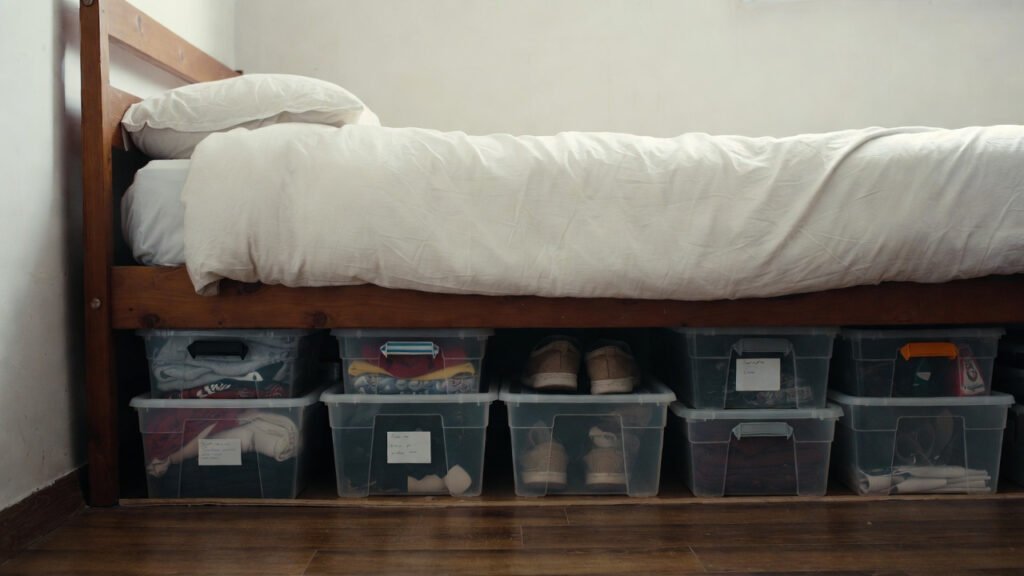
The space beneath the bed is often ignored, yet it can offer significant storage potential.
Under-bed storage takes up minimal space and one of its plus points is that it gives you the option to store as many items as possible. This is a space that is not even visible and can easily store a lot of your belongings. By doing small things on the surface, your home also looks clean and along with it, a large amount of things also start to be stored well.
Many modern bed frames now include built-in drawers, which provide an even more convenient way to organize belongings.
In small bedrooms, under-bed storage can easily become one of the most valuable areas in the home.
Declutter Before Creating Storage
When you plan to get a new storage system, first know if you really need a new storage system and what items you want to store in that storage.
Many small homes feel crowded because items accumulate over time without regular organization. Taking the time to declutter can instantly create more space.
A simple method is to divide belongings into three categories:
- Keep
- Donate
- Discard
This process helps reduce unnecessary clutter and makes it easier to design storage systems that actually work.
Once unnecessary items are removed, the remaining space can be used far more efficiently.
Utilize Door and Cabinet Space
Doors and cabinet interiors can provide surprisingly effective storage areas.
Over-the-door organizers work well for storing shoes, cleaning supplies, or accessories. In kitchens, cabinet doors can hold spice racks, small baskets, or hooks for utensils.
Bathroom doors can also support towel racks or storage hooks, allowing you to keep frequently used items within easy reach.
These solutions take advantage of spaces that are typically unused while helping maintain an organized environment.
Add Smart Closet Organization
There was a time when cupboards were used to hide unnecessary and space-consuming items, but later, this tradition was gradually not only eliminated, but a good option was also ignored. However, if this work is done creatively, cupboards are still a very good option for storing unnecessary things in small homes..
Adding extra hanging rods, stackable storage bins, and shelf dividers can help maximize available space. Shoe racks and hanging organizers are also useful for keeping smaller items in order.
Clear containers are especially helpful because they allow you to quickly see what’s inside without opening multiple boxes.
Well-organized closets reduce clutter throughout the rest of the home.
Use Decorative Storage Baskets
Storage solutions don’t always have to be hidden. Decorative baskets and stylish containers can serve both functional and aesthetic purposes.
Woven baskets in living rooms can hold blankets or magazines while still complementing the room’s decor. In entryways, baskets can store shoes, scarves, or small accessories that tend to create clutter.
Using visually appealing storage containers helps maintain organization without making a home feel overly utilitarian.
Think About Seasonal Storage
Seasonal items that are only needed during specific seasons take up more space. Rather than keeping them in the house all year round, it is better to use such items only during those specific seasons and store them back later.
Attics, basement shelves, and high closet spaces are ideal for storing winter gear, holiday decorations, or summer equipment during the off-season.
Labeling storage boxes clearly also helps make retrieval easier when the season changes.
This approach keeps everyday spaces uncluttered while ensuring seasonal items remain accessible when needed.
Create Dedicated Storage Zones
One effective way to maintain organization is to assign specific storage zones for different types of items.
For example:
- Entryways can store shoes, jackets, and bags
- Kitchens can include separate areas for pantry goods and cookware
- Living rooms can have designated baskets for electronics and accessories
By creating clear zones, household members always know where items belong, which helps prevent clutter from returning.
Maintain Storage Systems Regularly
Even the best storage systems require maintenance over time. If storage systems are updated and the equipment that is not working and is also a burden on the storage is emptied, then the storage systems can last for a long time.
A quick monthly check can help ensure everything remains organized. Re-evaluating storage areas also allows you to adjust systems as your needs change.
Maintaining these habits keeps small homes functional and comfortable over the long term.
Final Thoughts
Small homes do not have to feel cramped or cluttered. With thoughtful organization and creative use of space, even compact living areas can become highly functional.
Simple strategies such as using vertical storage, choosing multi-purpose furniture, and organizing closets can dramatically improve how a home feels. By focusing on practical solutions and regularly maintaining storage systems, homeowners can create a comfortable environment that maximizes every inch of available space.
Smart storage isn’t just about fitting more items into a room—it’s about designing a home that feels open, organized, and easy to live in.